OMRON 104MAJ Sphygmomanometer Blood Pressure Kit 116
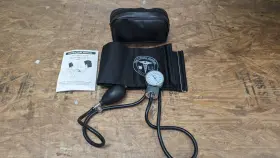
( Brand: Omron ), ( Size Type: Cuff Size Fits 13-17 Inches ), ( Type: Blood Pressure Testing ), ( Display Type: Analog ), ( Color: Black ), ( Style: Custom ), ( Set Includes: Cuff, Stethoscope, User Manual, Bulb W/air Release Valve, Storage Case, Bladder, Guage ), ( Country/region Of Manufacture: China ), ( Weight: 1.6 ), ( Manufacturer Part Number: 104MAJ )
Review OMRON Sphygmomanometer Two Party Blood Pressure Kit 116
The Omron 104MAJ Sphygmomanometer Blood Pressure Kit with Model Number 116 is a premium home blood pressure monitoring solution from Omron, a global leader in heart health technology. This kit comes equipped with an automatic inflating cuff, delivering clinically accurate blood pressure readings with ease.
The large, easy-to-read LCD screen displays your systolic and diastolic pressure, heart rate, and the date and time, making it simple to track your progress over time. The kit features Omron's Intellisense technology, which automatically inflates the cuff to the ideal pressure for your arm size and deflates at an optimal rate, ensuring accurate readings and a comfortable user experience.
The 104MAJ blood pressure monitor boasts a flexible ComFit cuff design that accommodates upper arm sizes ranging from 9 to 17 inches (22.9 to 43.2 cm). The cuff is made of smooth, durable materials, ensuring a comfortable fit and long-lasting performance.
This blood pressure kit includes a convenient carrying case for easy storage and portability. The battery-operated monitor runs on two AAA batteries (not included) and comes with a quick-start guide to help you get started right away. Additionally, the kit is compatible with Omron Connect App (available for iOS and Android devices) and Omron's DynaCirc Bluetooth Blood Pressure Monitor, allowing you to easily store, track, and share your readings with your healthcare provider.
In summary, the Omron 104MAJ Sphygmomanometer Blood Pressure Kit with Model Number 116 offers precise, clinically accurate blood pressure readings, a comfortable design, and convenient features that make it an excellent choice for anyone looking to monitor their heart health at home.
I'd like to share some insights I've gained while researching this topic.
1. Buying: I believe that buying a home is a good investment, especially if it's your first home. Homes appreciate in value over time. Buying a home is an investment in yourself and your future self.
2. Pros: A home is a tangible asset that appreciates in value. It's a long-term investment.
3. Cons: A home is an intangible asset that can't be touched, moved, or sold. It's not a liquid asset, but it can generate revenue through rent.
When considering buying a home, keep in mind the following:1. Location: Look for properties in desirable areas with good schools, transportation, employment, and community amenities.
2. Price: Consider the cost of maintenance, upkeep, and repairs.
3. Amenities: Consider the proximity to essential services, public transportation, and other desirable features.
4. Community: Consider the demographics of the area, crime rate, commute times, and proximity to work or school.
5. Neighborhood: Consider the proximity to work, family, and lifestyle.
6. Cost of living: Consider the cost of utilities, property taxes, HOA fees, and other fees associated with the property.
7. Schools: Consider the quality of the schools in the area, the availability of extracurricular activities, and the reputation of the schools in the area.
8. Future plans: Consider the proximity to employment opportunities, the availability of public transportation, and the presence of desirable amenities.
9. Consider the cost of living: Look at the mortgage payment structure, the terms of the loan, and the interest rate.
10. Infrastructure: Consider the condition of the infrastructure, the access to certain amenities or services, and the reputation of the developers and builders in the area.
11. Lifestyle: Consider the proximity to family and friends, the availability of green space, and the access to transportation and employment opportunities.
12. Commute: Consider the proximity to work, the commute, and the availability of public transportation.
13. Cost of living: Consider the cost of housing, the cost of groceries, and the cost of utilities, as these can all vary greatly depending on the location and the type of property you're interested in.
Here are some general guidelines to keep in mind when buying a home.
1. Location: Consider the proximity to desirable schools, neighborhoods, and workplaces.
2. Access to public transportation: Consider the proximity to essential services and employers, the availability of green space, and the proximity to desirable amenities.
3. Cost of living: Consider the cost of housing, the cost of utilities, and the cost of maintenance.
4. Proximity to desirable schools and workplaces.
5. Proximity to family and friends.
6. Proximity to employment opportunities.
7. Access to quality schools and workplaces.
8. Proximy to desirable amenities and services.
9. Consider the access to public transportation, parks, and recreational facilities.
10. Proximy to quality schools and workplaces.
11. Proximy to quality schools and workplaces.
12. Proximy to desirable amenities and services.
Now, let's dive into the specifics of your situation and see what factors are most important to you.
First, consider your budget and financial goals. Then consider the lifestyle and amenities you want.
Location, location, location, location, location, location, location, location, location, location.
When buying a home, keep these things in mind.
Details:
See photos for condition. Omron Sphygmomanometer Two Party Blood Pressure Kit 116.
part #: 104maj prices
- $36.00-$43.95
specifications pressureoverlook:
- brand: Omron
- size type: Cuff Size Fits 13-17 Inches
- type: Blood Pressure Testing
- display type: Analog
- color: Black
- style: Custom
- set includes: Cuff, Stethoscope, User Manual, Bulb W/air Release Valve, Storage Case, Bladder, Guage
- country/region of manufacture: China
- weight: 1.6
- manufacturer part number: 104MAJ
payments pressureoverlook:
- credit card: Mastercard
- wallet: Google-pay
- other
general pressureoverlook:
- condition: Used
- Health Care > Monitoring Testing > Blood Pressure Monitoring
offer pressureoverlook:
- options: Ship-to-home
- started: August 22, 2025
- sold: 0
- quantity: 1
- availability: In Stock
- best offers: True
seller pressureoverlook:
- rating: 99.6%
- city: Philadelphia, Pennsylvania
- # reviews: 65144
shipping pressureoverlook:
- class: Standard
- carrier: USPS
- service: USPS Ground Advantage
- transit: 5-12 Days
- type: Calculated
- cost: $0.00
returns pressureoverlook:
- policy: Returns Accepted
- time: 30 Days
- paid by: Seller
- method: Money back
Omron 104MAJ Is Similar To:
- Omron Bp7100 Lot Of 2 3 Series Bp710n Upper Arm Digital Blood Pressure Monitors (48.2% similar) Buyer attests they are a physician, licensed healthcare practitioner, or any other practitioner by the law of state in which practices to use order device...(July 20th, 2024)
- Omron Bp7250 Digital Blood Pressure Monitor 5 Series Upper Arm Bluetooth Works (40% similar) Same day USPS shipping. Bluetooth connect ability. Unit has been reset to factory settings. Manual not included but can be downloaded on the internet for free. Batteries not included. Tested works great excellent condition. Omron 5 series wireless upper arm blood pressure monitor - BP7250...(July 21st, 2024)
- Omron Bp5450 Digital Platinum Blood Pressure Monitor Upper Arm Cuff (48.1% similar) Omron BP5450 digital platinum blood pressure monitor upper arm cuff...(July 21st, 2024)
- Omron Bp5250 Silver Blood Pressure Monitor Upper Arm Cuff Digital Bluetooth Machine (41.4% similar) No box or manual. Requires 4 AA batteries which will not be included. Omron silver blood pressure monitor, upper arm cuff, digital Bluetooth machine. But you can look up manual online. This is a working pre-owned machine. Excellent used condition...(July 21st, 2024)
- Omron Bp7450 10 Series Wireless Upper Arm Blood Pressure Monitor Tested (51.1% similar) Unit has been reset to factory settings. Same day USPS shipping. Manual not included but can be downloaded on the internet for free. Omron BP7450 10 series wireless upper arm blood pressure monitor tested. Item has been fully tested works excellent. Requires the use of four double a...(July 21st, 2024)
- Omron Bp4350 Gold Blood Pressure Monitor No Case (50.9% similar) Omron BP4350 gold wrist blood pressure monitor. Open box and barely used...(July 21st, 2024)
- Omron Bp5100 Blood Pressure Monitor Model Exta Eleatch Arm Cuff (43.2% similar) Monitor meets the validated device listing VD for clinical accuracy as determined through an independent review process. This soft, wide-range d-ring cuff is designed for a more comfortable measurement. Registered with the FDA as a medical device. The Omron bronze monitor features one touch...(July 22nd, 2024)
- Omron Hem-739 Digital Blood Pressure Monitor (50.9% similar) Omron HEM-739 digital blood pressure monitor...(July 22nd, 2024)
- Omron 741crel Reli On Digital Blood Pressure Monitor Model Tested Working (44.4% similar) Part #: Omron 741CREL for sale...(July 22nd, 2024)
- Omron Hemfl31b Easy-wrap Comfit Blood Pressure Monitor Cuff 9 Inch To 17 Hem-fl31 Black (44.3% similar) Omron easy-wrap comfit blood pressure monitor cuff 9 to 17 HEM-FL31 black...(July 23rd, 2024)
- Omron Hem-780n3 Hem-780 Intellisense Digital Blood Pressure Monitor Unit Tested (42.6% similar) Omron HEM-780 HEM-780N3 intelligence digital blood pressure monitor unit tested...(July 23rd, 2024)

2 offers $36.00–$43.95 USD
- Open box. Offer #1 priced at $36.00 + $9.52 delivery = $45.52* total. Omron Blood Pressure Kit Analog Large Adult Cuff Monitor Stethoscope Case .+$9.52 shipping
- Used. Offer #2 priced at $43.95 + $0.00 delivery = $43.95* total. Omron Home Blood Pressure Kit Large, Blue/Black - .FREE SHIPPING